
More options, lower costs and better quality apartments and retirement living
Published Thursday, 23 October 2025
A new planning policy will ensure South Australians will benefit from greater choice and flexibility in housing while boosting the development of critical aged care and retirement infrastructure.
The Accommodation Diversity Code Amendment, adopted by the South Australian government, will change the rules for building apartment-style homes and retirement living across SA.
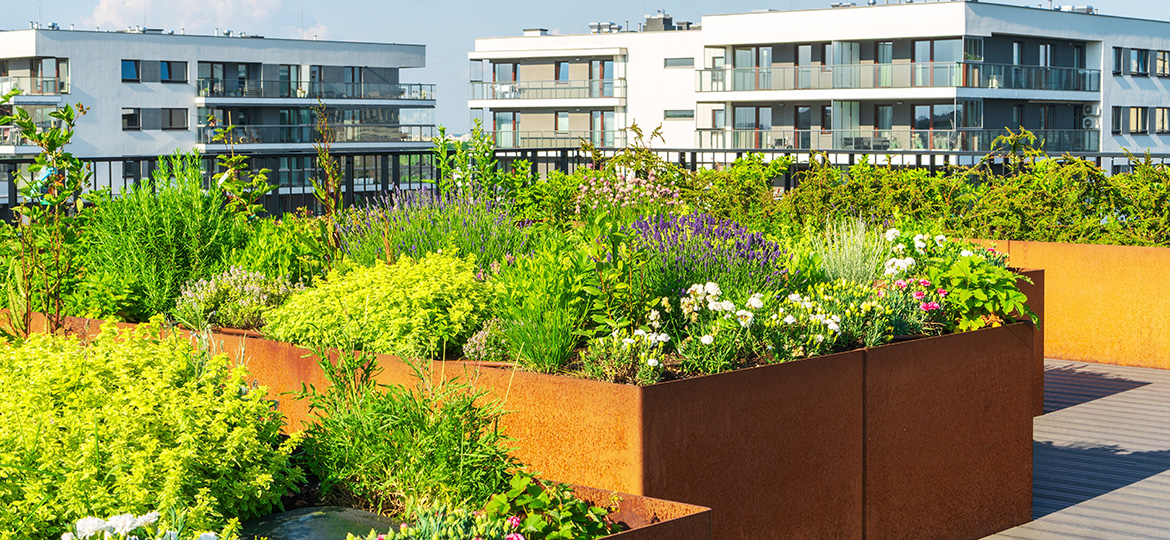
Developers of apartment buildings will now have the option of investing in communal amenities like rooftop gardens and barbecue areas as changes allow for more common spaces over private balconies.
Importantly, these changes will mean costs will come down for developers and by removing the need for areas which are prone to fault because of waterproofing issues.
The costs associated with building and waterproofing often rarely-used private balconies are usually around $2,062 per m2 based on typical designs, leading to a total cost for most apartments of around $11,000 to $32,000 based on average construction costs.
Increased building heights for aged care retirement facilities and supported accommodation will now allow for up to 4-6 storeys for larger developments, providing more options for South Australians to age in place within their own communities.
Under the approved changes, the State Commission Assessment Panel will oversee major retirement living and supported accommodation developments over four storeys, ensuring efficient management.
For smaller projects on sites under 6,500m², local councils remain responsible, preserving community involvement and local expertise.
The reforms for aged care, retirement living and supported accommodation complement recent changes to the state’s planning legislation that elevates supported accommodation, like aged care facilities, to the status where they are considered as essential infrastructure.
These new provisions are just some of the changes within the Accommodation Diversity Code Amendment which has been approved by the South Australian government in response to the changing make-up of South Australia’s population, in particular the rapid growth of single parent families and SA’s ageing population.
The Code amendment will introduce a new form of ‘co-living’ accommodation for residences that rely on shared facilities, such as common kitchens or bathrooms.
New practice guidelines will allow apartment developers to provide a better product to buyers, ensuring shared facilities and recreation areas are well-designed, well-located, of a high quality and accessible.
The code amendment will also encourage for much greater flexibility in apartment design, moving to minimum bedroom and living area dimensions instead of a minimum total floor area, allowing smarter, more comfortable and functional homes.
South Australia has an ageing population and has marked a decline in nuclear families and a rise in constellation families. Despite this, most homes in South Australia are detached dwellings.
The aim of the Accommodation Diversity Code Amendment is to increase the number of well-designed, diverse, and affordable housing supply options across the entire state, to respond to these population projections and growth in single person households.